Adams and Hancock: Defiance in the Face of Tyranny

29 views · 1 likes

Get the full experience with our iOS app.

A dimly lit room with British troops leaving Boston, juxtaposed with a determined crowd of American colonists watching them depart.

Our story begins with a seemingly insignificant event—the removal of British troops from Boston.
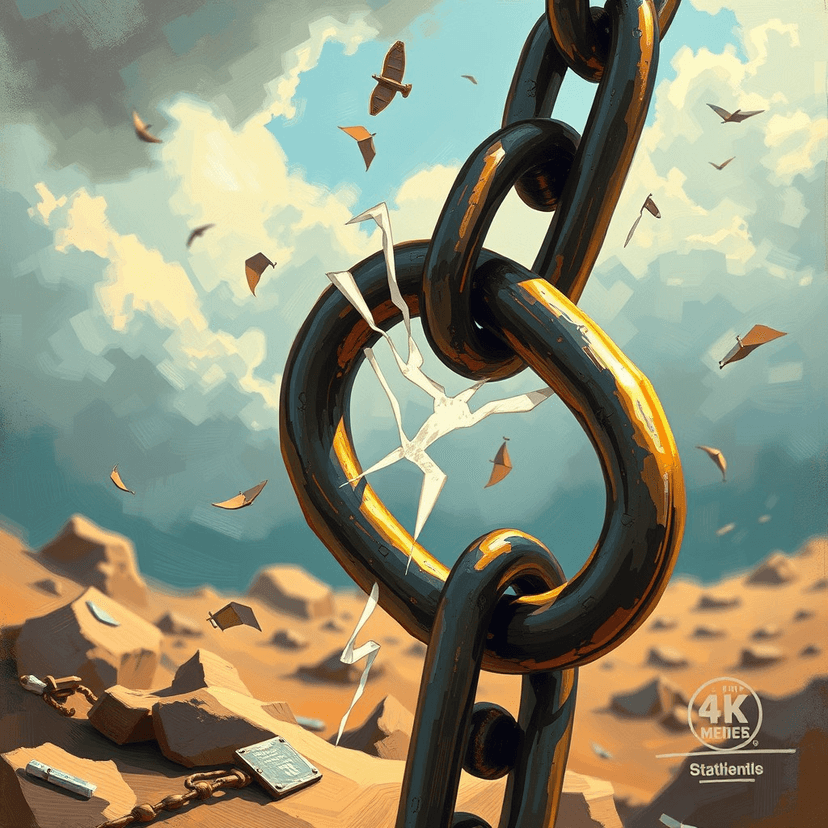
A close-up illustration of a chain breaking, symbolizing a pivotal shift in power and the dawn of a new era.

Though it appeared minor, this event set in motion a chain reaction that would forever alter the course of history.
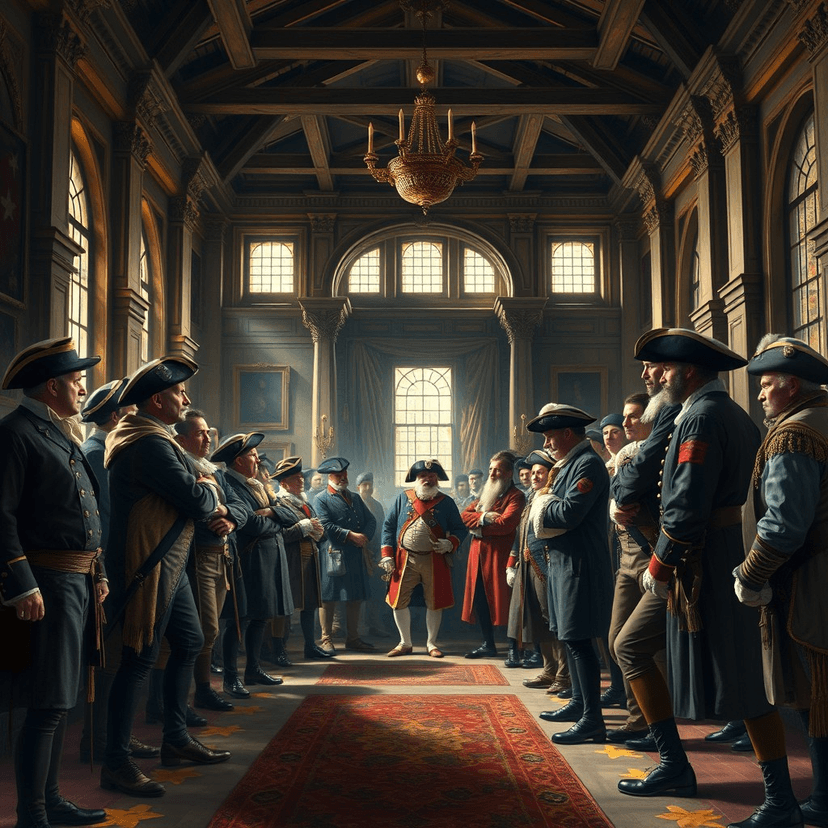
A grand hall depicting a gathering of determined men in colonial attire, engaged in intense discussion and planning.

This pivotal change wasn't brought about by armies or governments, but by a simple yet powerful force: a definite decision made by a small group of individuals.
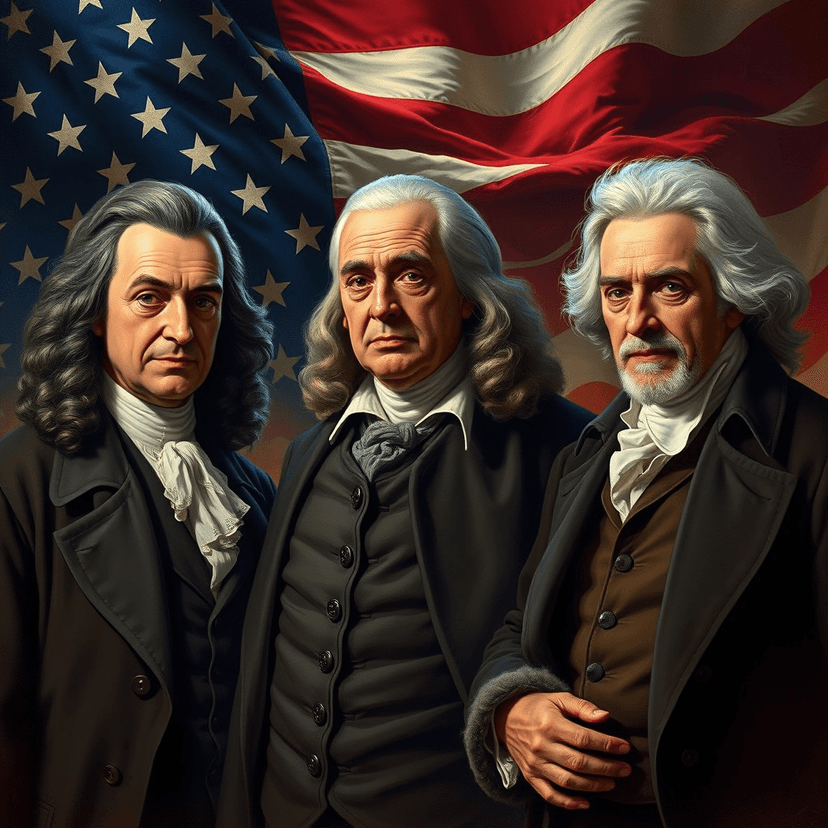
Portraits of John Hancock, Samuel Adams, and Richard Henry Lee, illuminated dramatically against a backdrop of the American flag.

These individuals, often forgotten, were the true architects of the American Revolution: John Hancock, Samuel Adams, and Richard Henry Lee.
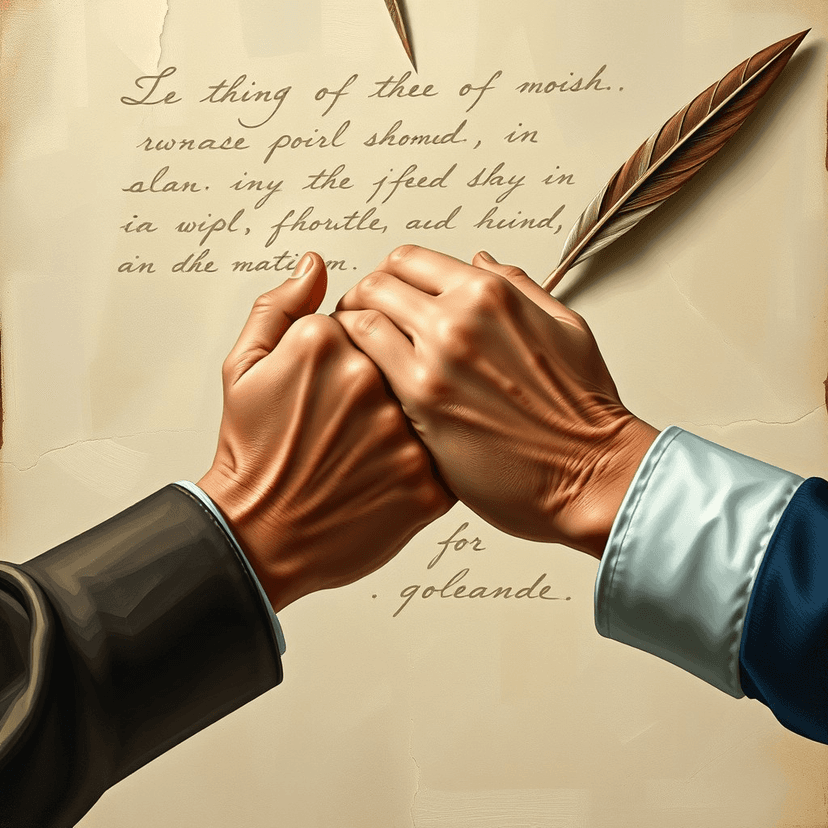
Two hands clasped firmly against a backdrop of parchment and quill, signifying the power of collaboration and shared purpose.

Their power resided not in wealth or armies, but in their shared vision and unwavering determination.
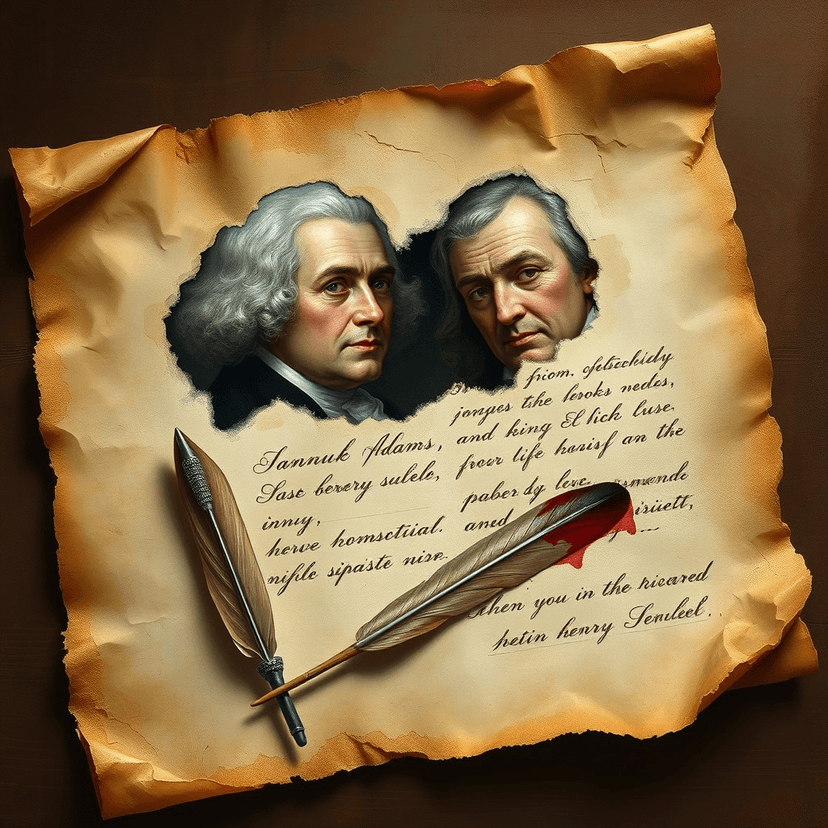
A weathered parchment with quill and ink, depicting letters being exchanged between Samuel Adams and Richard Henry Lee, their faces subtly emerging from the parchment.

Richard Henry Lee and Samuel Adams, through their frequent correspondence, planted the seeds for a unified stand against oppression.
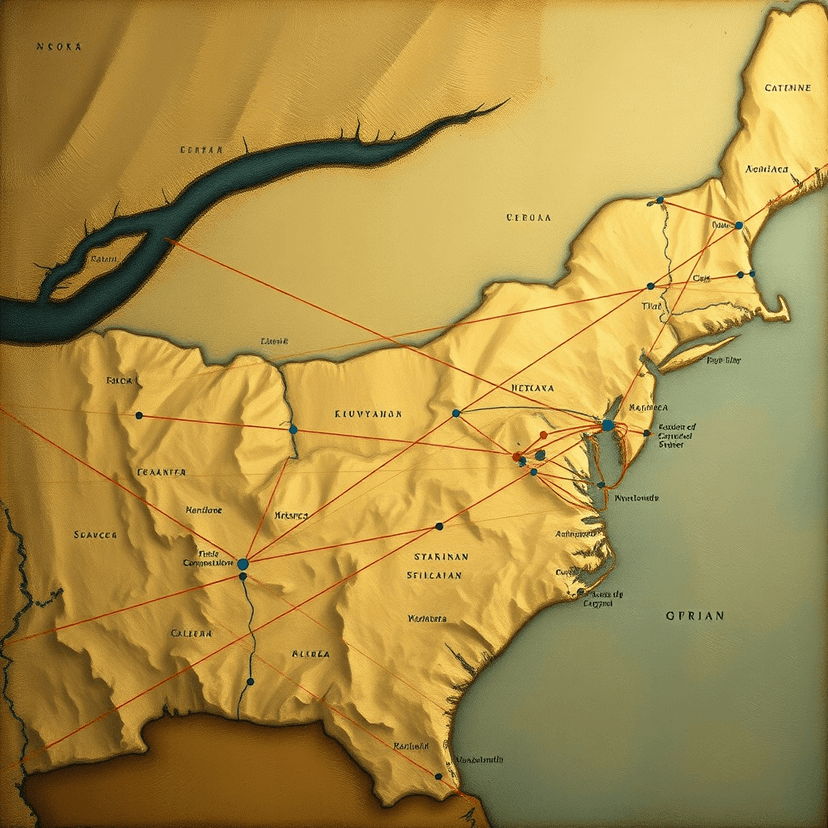
A map of the thirteen colonies, gradually connecting with lines of communication, signifying the growing network of the Committees of Correspondence.

Adams envisioned a network of communication uniting all thirteen colonies, a 'Committee of Correspondence.'
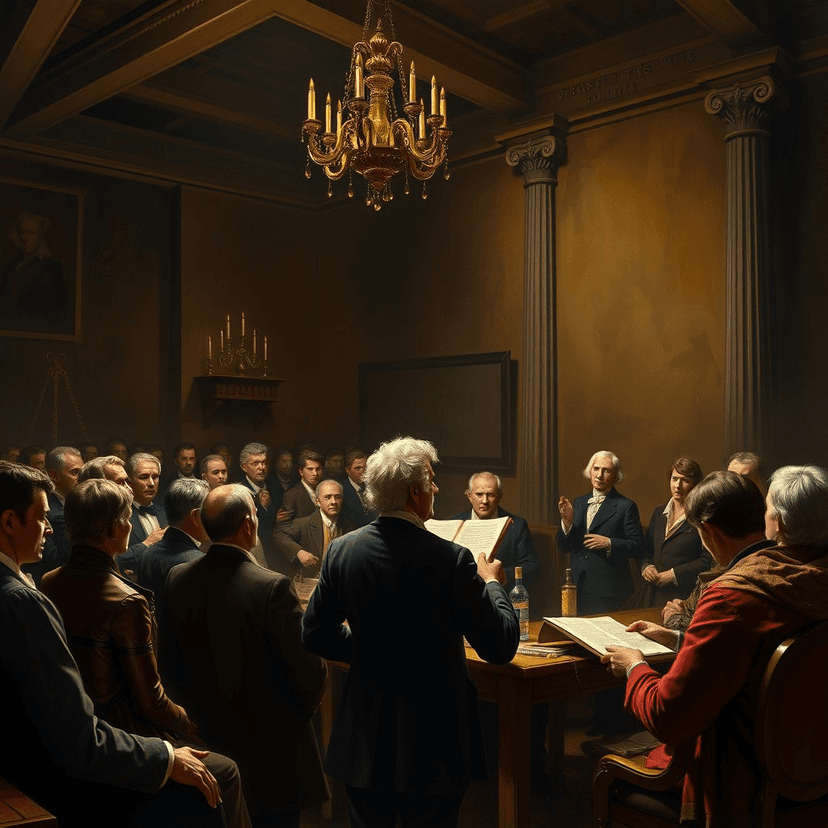
A dimly lit room where the Assembly met, with Adams passionately presenting his proposal, his words echoing with conviction.

In 1772, he presented this idea to the Assembly, proposing appointed correspondents in each colony to foster cooperation.
A powerful image of a clenched fist raised high, embodying the spirit of revolution and the collective will of the people.

This, my friends, marked the genesis of the movement that would grant you and me the freedoms we cherish today.

An illustration of three minds coming together, forming a radiant triangle, symbolizing the power of the Master Mind.

The Master Mind was taking shape, fueled by the collective intellect and determination of Adams, Lee, and Hancock.
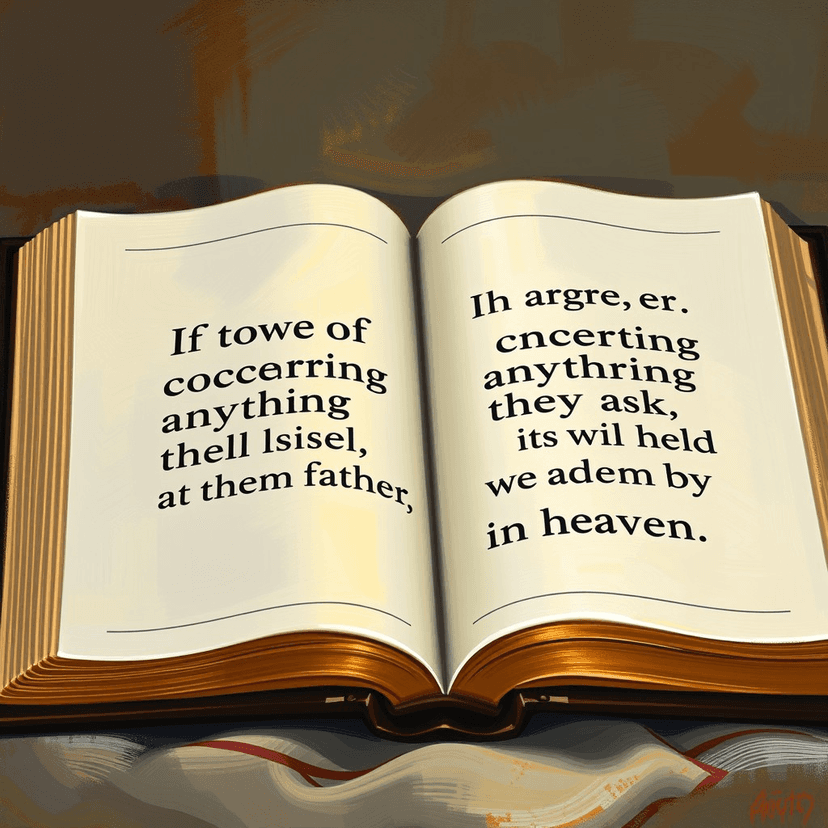
An open bible showcasing the verse: 'If two of you agree on earth concerning anything that they ask, it will be done for them by My Father in heaven.

Remember the words, 'If two of you agree on earth concerning anything that they ask, it will be done for them by My Father in heaven.'
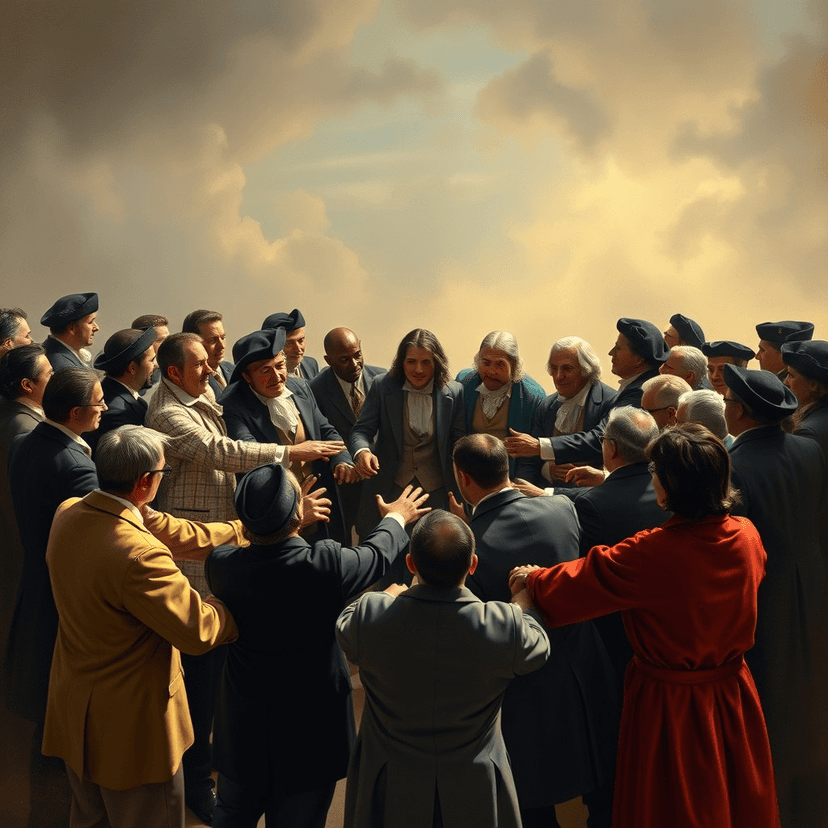
A grand depiction of the Committee of Correspondence, showing representatives from all thirteen colonies coming together, their hands interlocked, forming a powerful circle of unity.

With the formation of the Committee, the Master Mind expanded, uniting like-minded individuals from all corners of the colonies.

A group of colonists huddled together, strategically planning their next move, their faces illuminated by candlelight, highlighting their determination.

This, for the first time, brought structure and organization to the colonists' discontent, laying the groundwork for a coordinated resistance.

A bundle of sticks bound together, signifying the strength found in unity, contrasted with a single stick easily broken.

Remember, there is strength in unity. The colonists had shown resistance before, but their efforts lacked direction.
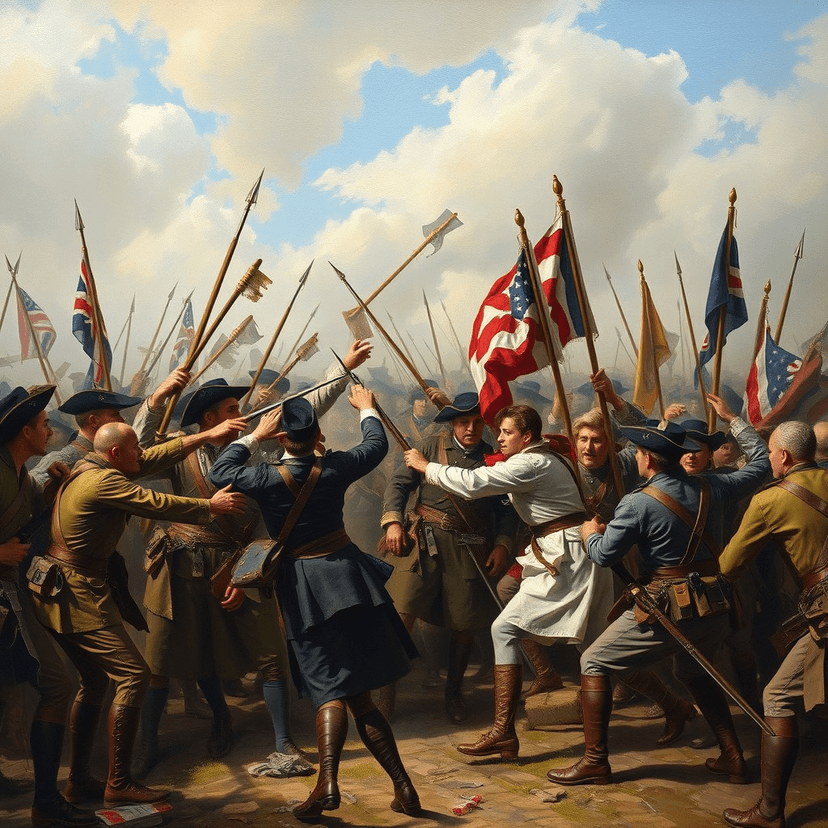
A chaotic scene of individual colonists clashing with British soldiers, their efforts scattered and ineffective.

Their grievances, like scattered embers, lacked the unifying force of a single flame.
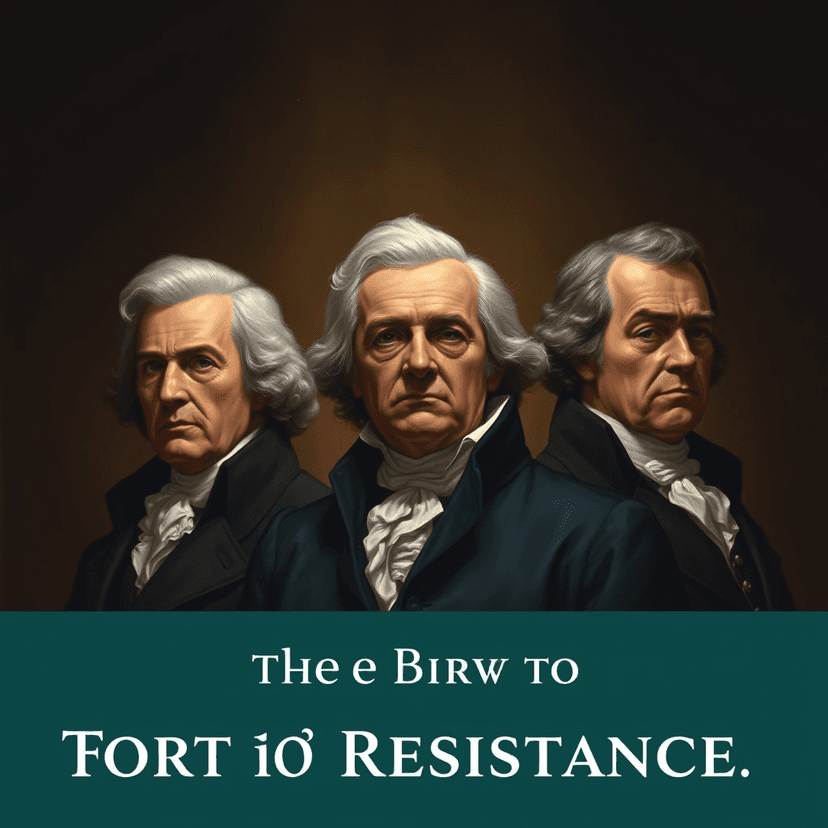
Three figures illuminated against a dark background - Adams, Hancock, and Lee - their faces determined, their posture unwavering, signifying the birth of true resistance.

It was only when Adams, Hancock, and Lee joined forces, merging their hearts and minds into a single, resolute decision, that true change became possible.
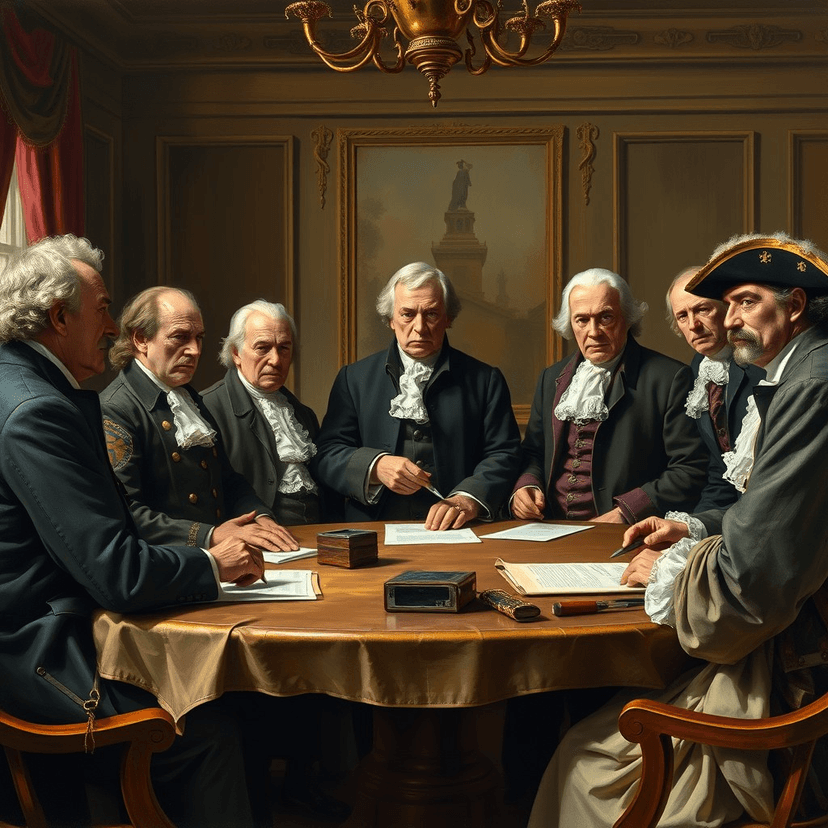
A group of stern-faced British officials gathered around a table, strategizing their response to the growing unrest in the colonies.

But the British were not idle observers. They too possessed their own form of Master Mind, fueled by wealth and organized military might.
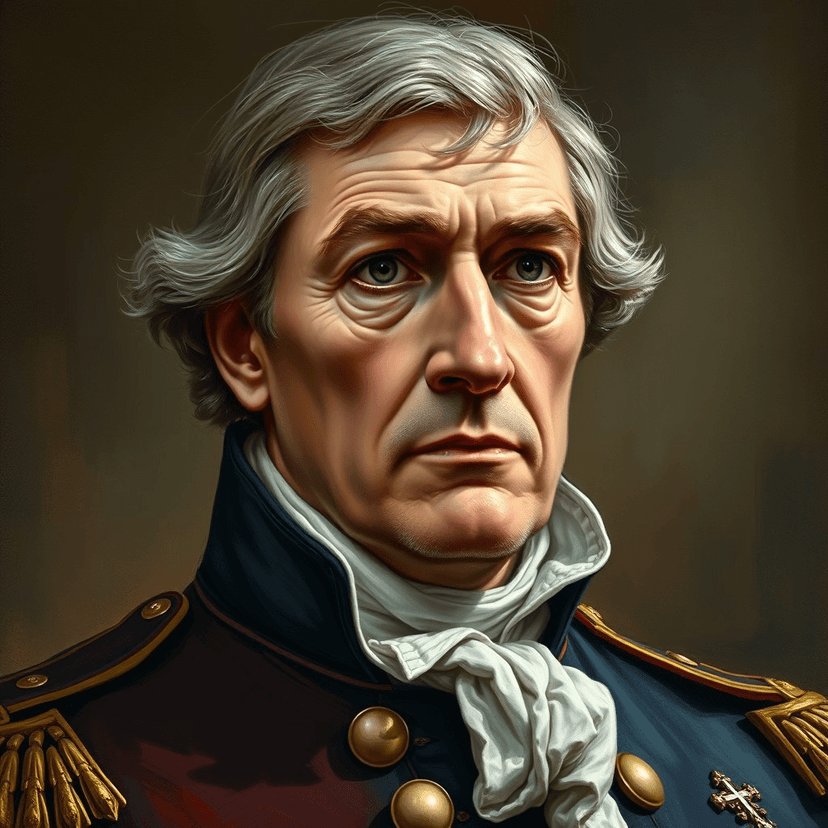
A portrait of General Gage, his expression a mix of authority and apprehension, reflecting the challenge he faced.

The Crown, in response, replaced Hutchinson with General Gage as Governor of Massachusetts.
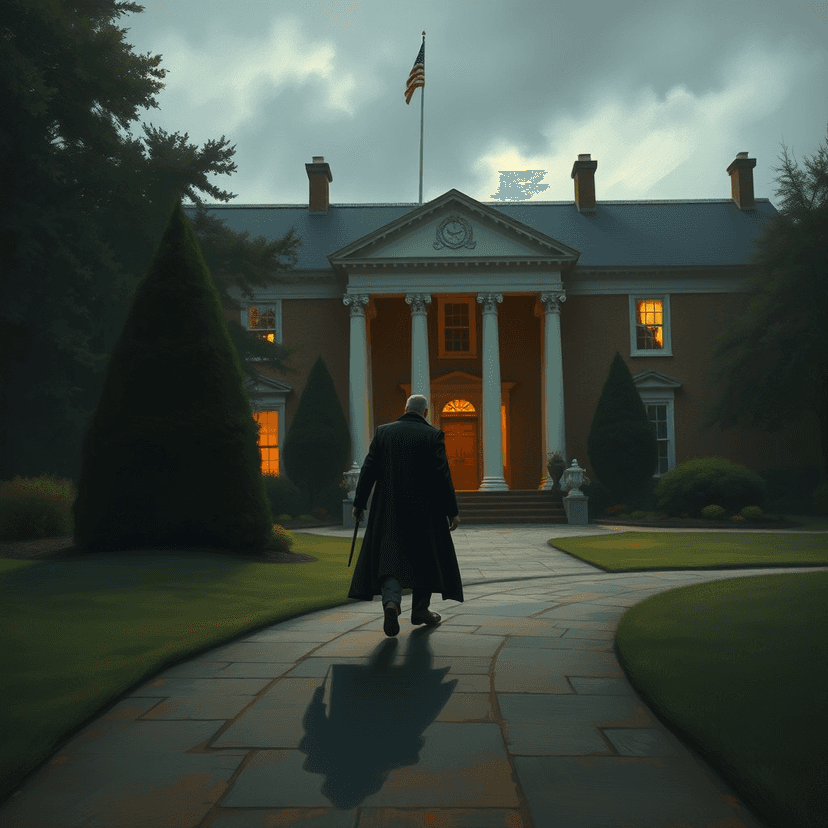
A shadowy figure approaching a stately home, carrying a message that would test the mettle of a nation.

Gage, in a strategic move, dispatched Colonel Fenton to silence the opposition, specifically targeting the influential Samuel Adams.
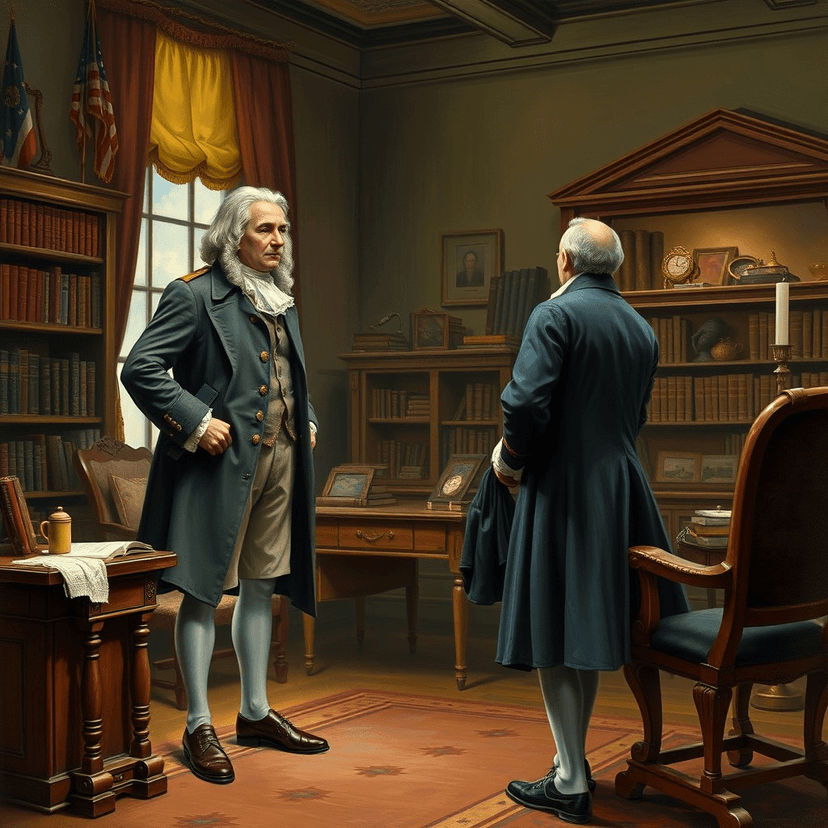
Samuel Adams standing tall in his study, facing Colonel Fenton, who tries to intimidate him with promises and threats.

Their encounter reveals the true nature of the conflict, a battle not just of armies but of principles.
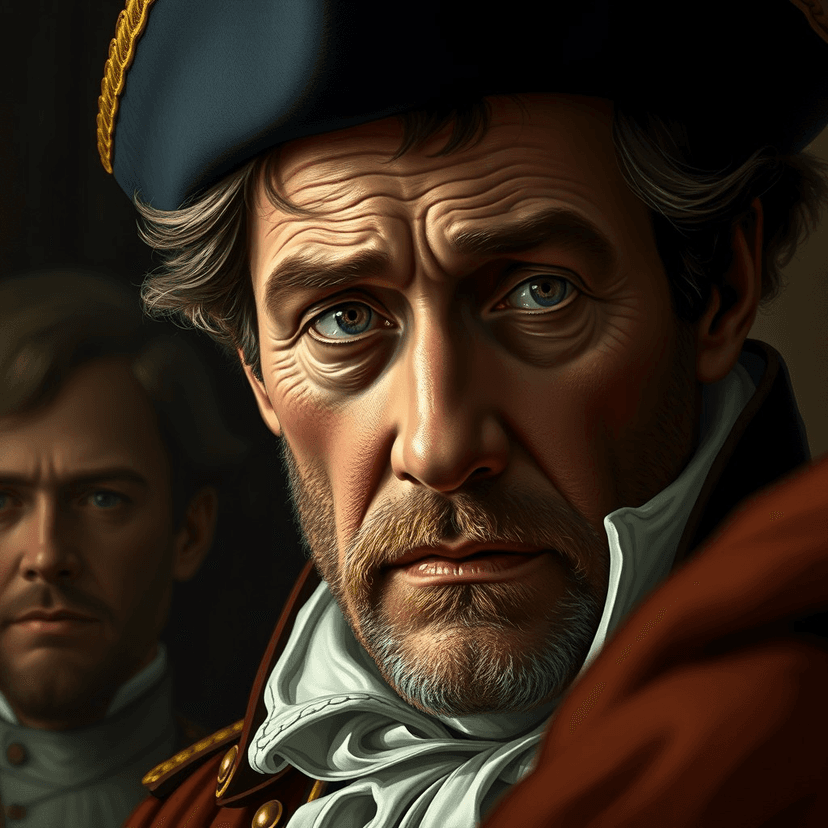
A close-up of Colonel Fenton, his face a mix of apprehension and respect, as he presents Gage's offer to Adams.

Colonel Fenton, carrying Gage's authority, presented Adams with a choice: cease his opposition and receive significant personal rewards…
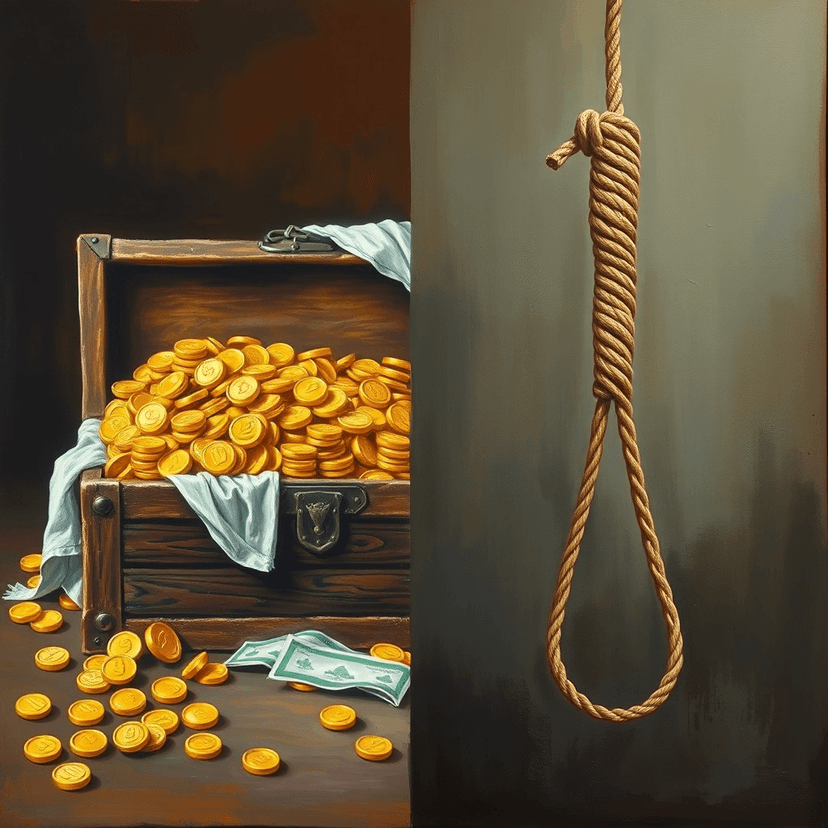
A split image: on one side, a chest overflowing with gold coins and luxurious possessions, and on the other, a noose hanging against a stark background.

Or face the full force of the British Crown, risking imprisonment or even death.
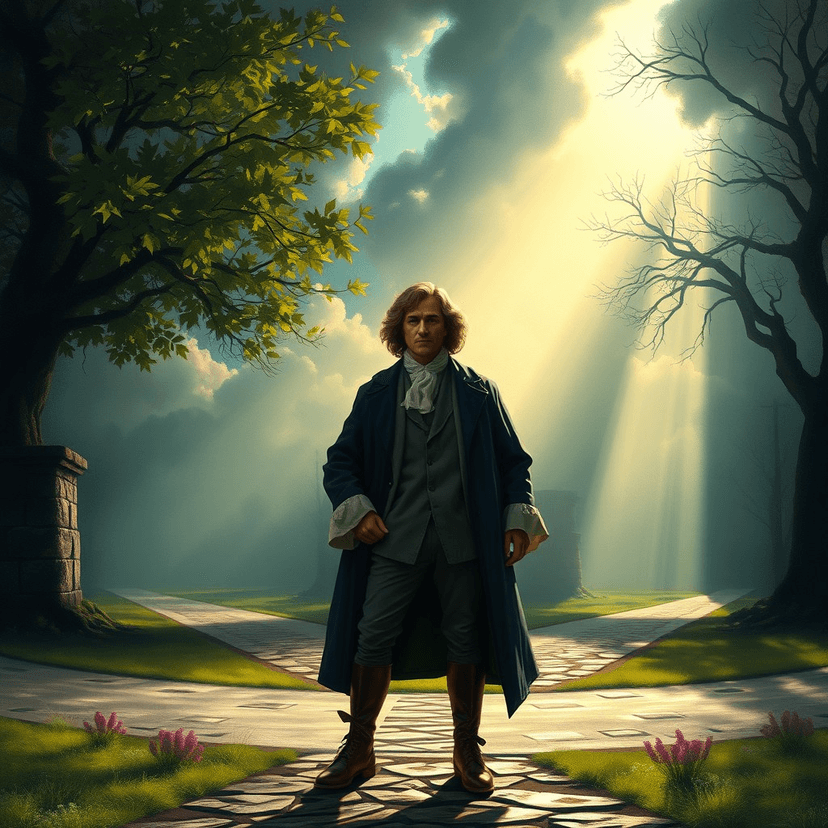
Samuel Adams standing at a crossroads, one path bathed in sunlight, representing comfort and wealth, the other shrouded in darkness, representing danger and uncertainty.

A pivotal moment, forcing Adams to make an immediate decision, one that could cost him everything.
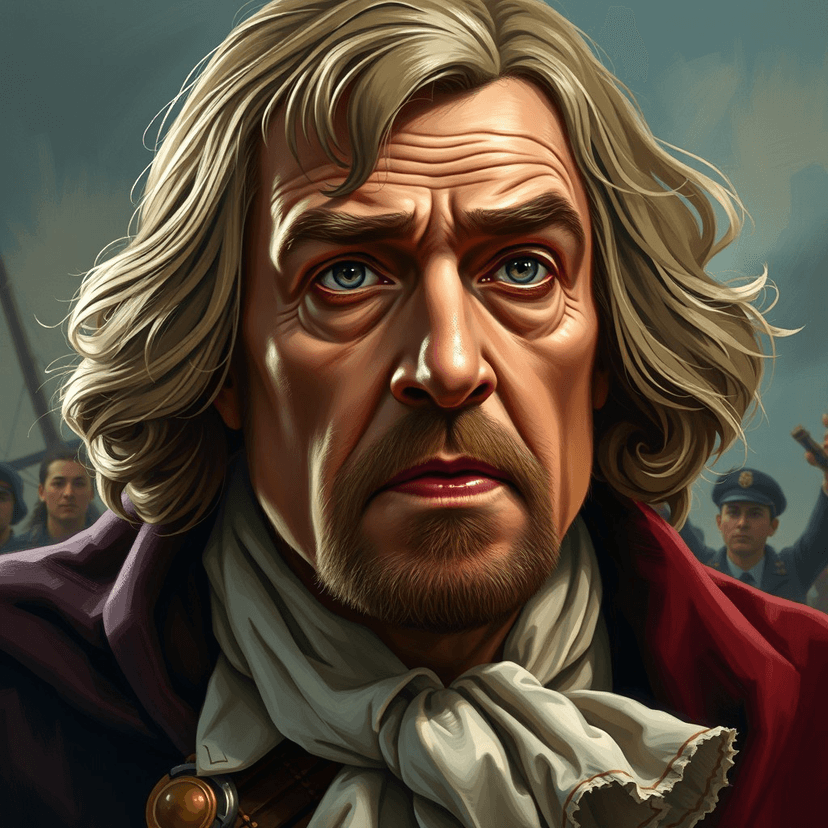
The face of Samuel Adams, filled with determination and resolve, as he makes his choice clear.

Most men, faced with such a dilemma, would have faltered, seeking compromise or delay. But Samuel Adams was no ordinary man.
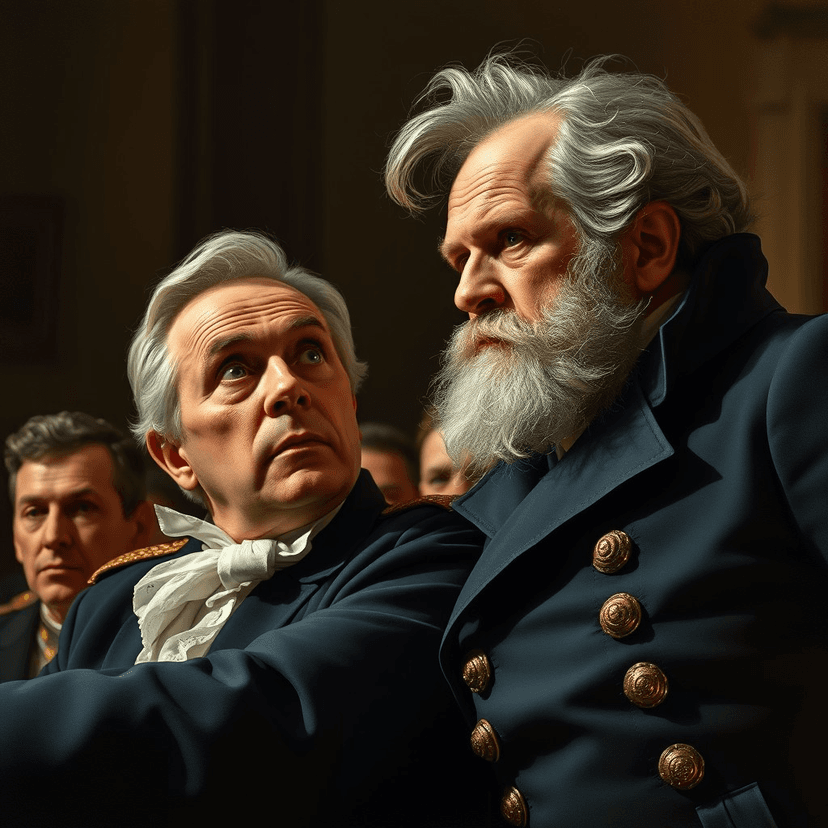
Colonel Fenton leaning in, his face a mix of astonishment and admiration, as he listens to Adams' defiant response.

He demanded Fenton's word of honor that his response would be relayed verbatim to Governor Gage.
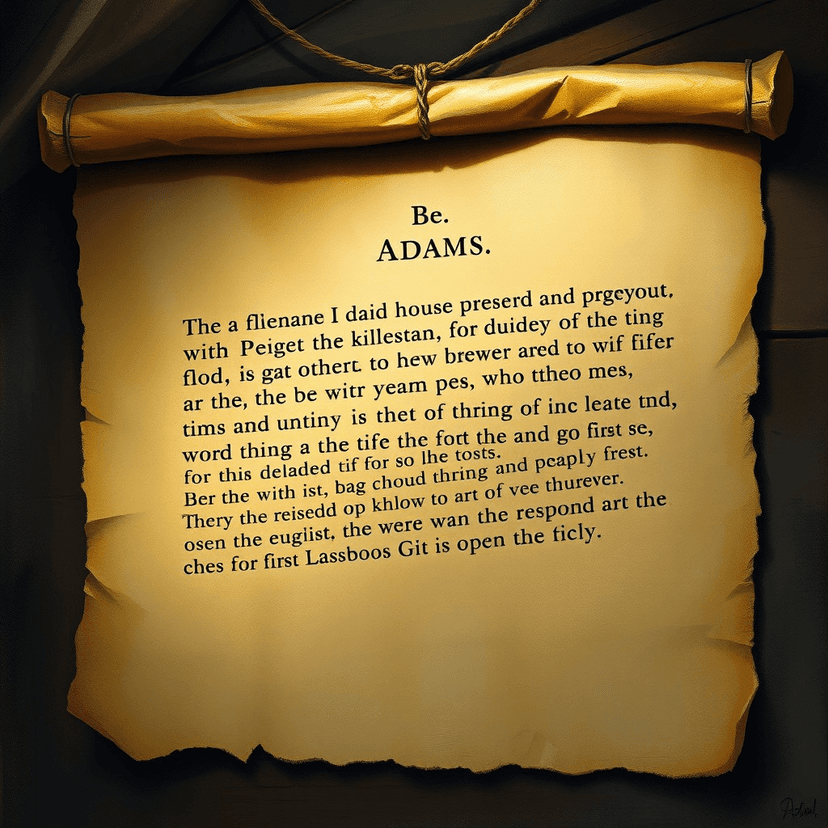
The words of Adams' response emblazoned across a parchment, each word echoing with conviction and courage.

His reply echoed with defiance: 'Then you may tell Governor Gage that I trust I have long since made my peace with the King of Kings. No personal consideration shall induce me to abandon the righteous cause of my Country.
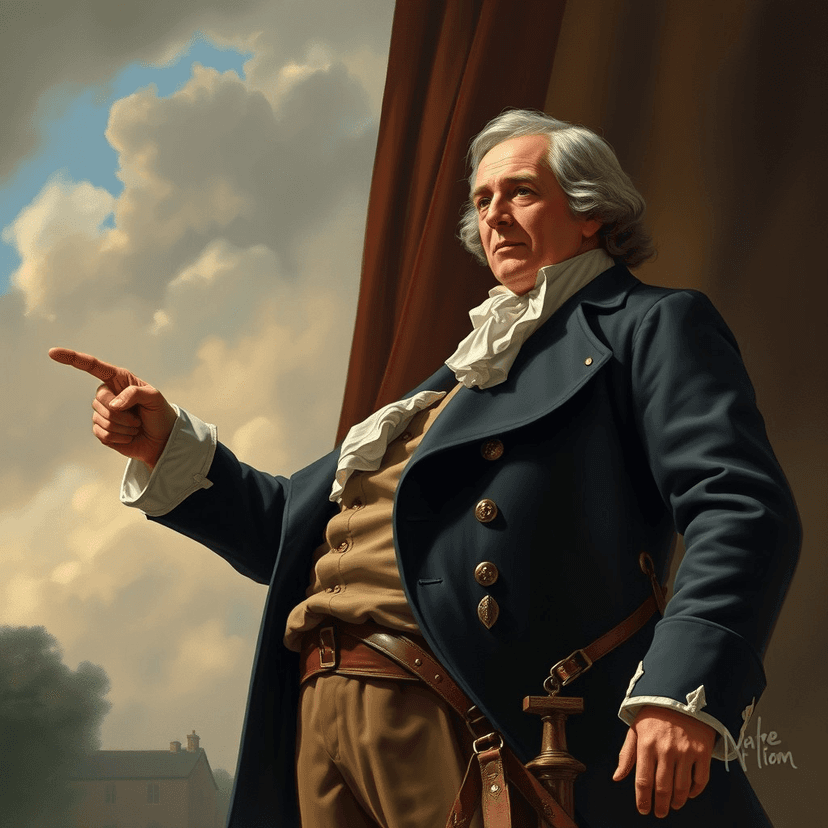
Samuel Adams, standing tall, pointing his finger at Colonel Fenton, as he delivers the final words of his message for Gage.

And, TELL GOVERNOR GAGE IT IS THE ADVICE OF SAMUEL ADAMS TO HIM, no longer to insult the feelings of an exasperated people.

A stark contrast between Samuel Adams, embodying integrity and principle, and a group of corrupt politicians, their faces contorted with greed and deceit.

Adams’ unwavering integrity stands in stark contrast to those who would trade honor for personal gain.
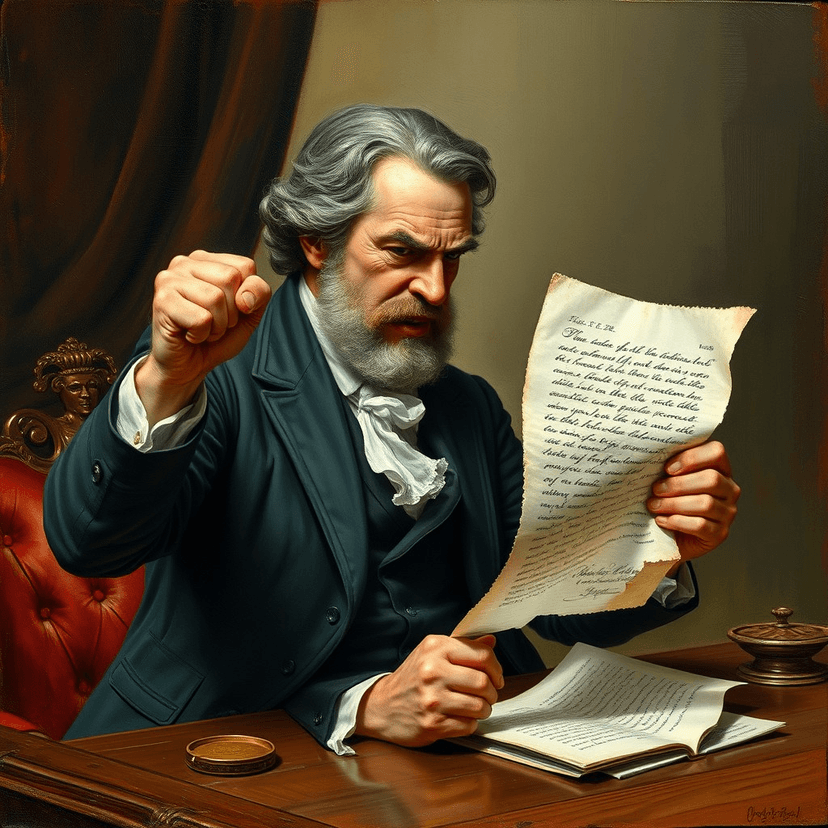
Governor Gage, enraged, pounding his fist on the table, as he reads Adams' defiant response, ripping the letter in half.

Governor Gage, upon receiving Adams’ reply, was enraged. His response: a proclamation.
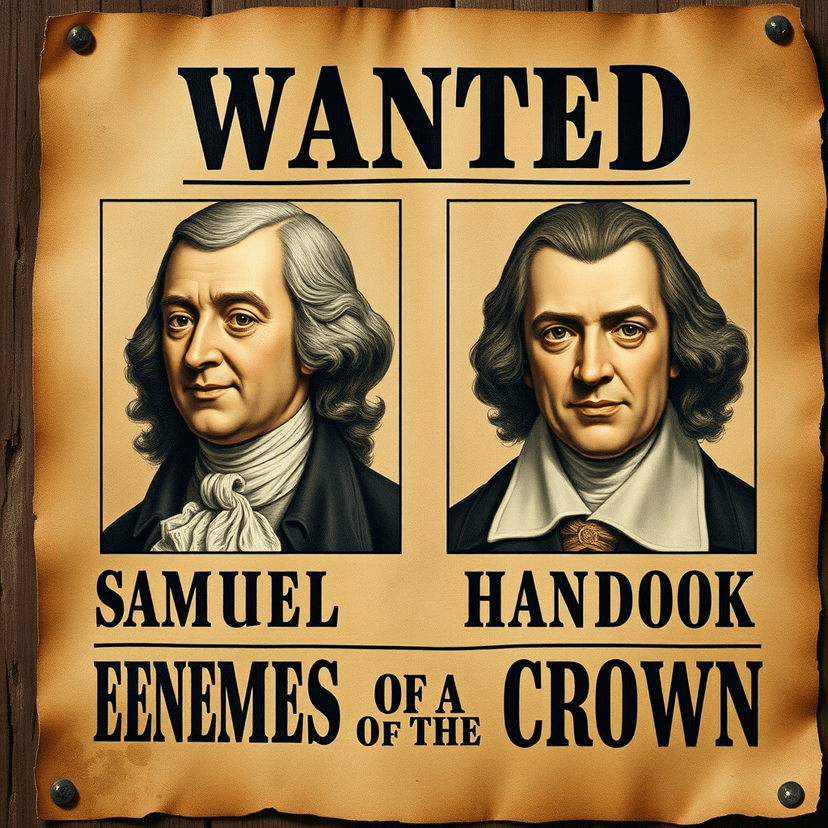
A wanted poster with the faces of Samuel Adams and John Hancock, their names highlighted, marking them as enemies of the Crown.

He announced a pardon for those who laid down arms, excluding only Samuel Adams and John Hancock.
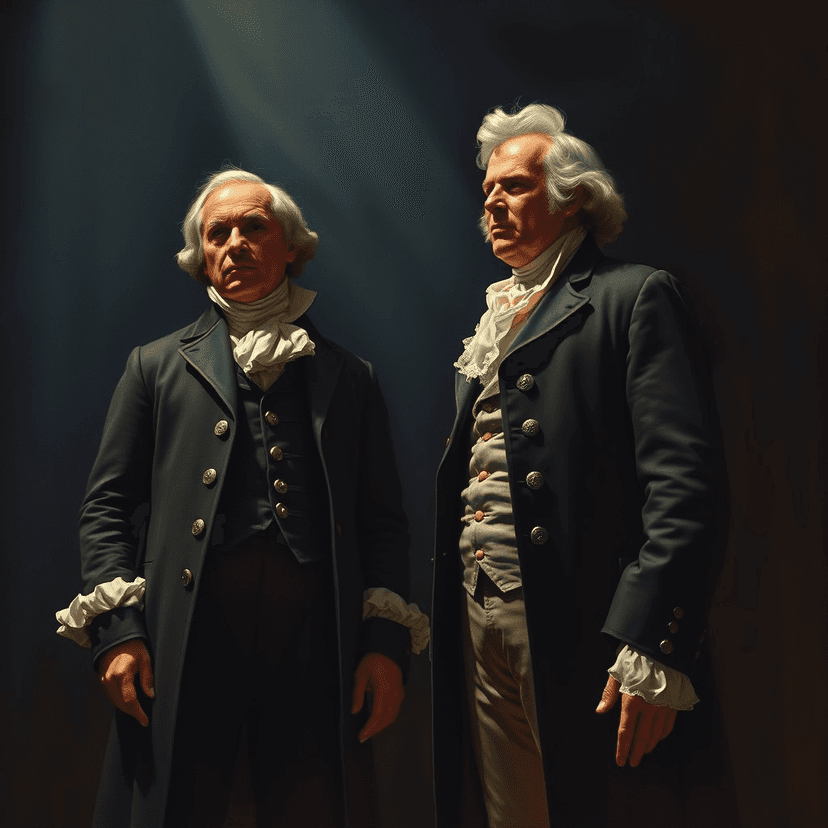
Adams and Hancock, spotlighted on a darkened stage, symbolizing the perilous position they were in.

Their 'crimes,' in Gage’s eyes, were too great for anything other than severe punishment.
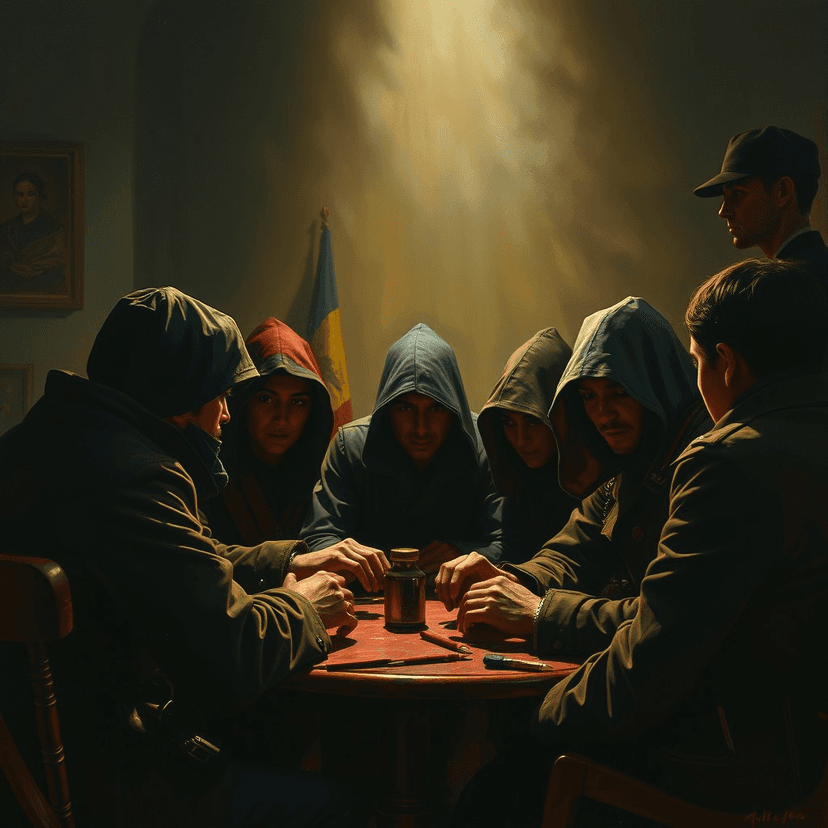
A clandestine meeting of revolutionaries, their faces hidden in the shadows, the atmosphere tense with anticipation.

This threat forced Adams and Hancock to convene a secret meeting with their most trusted allies.
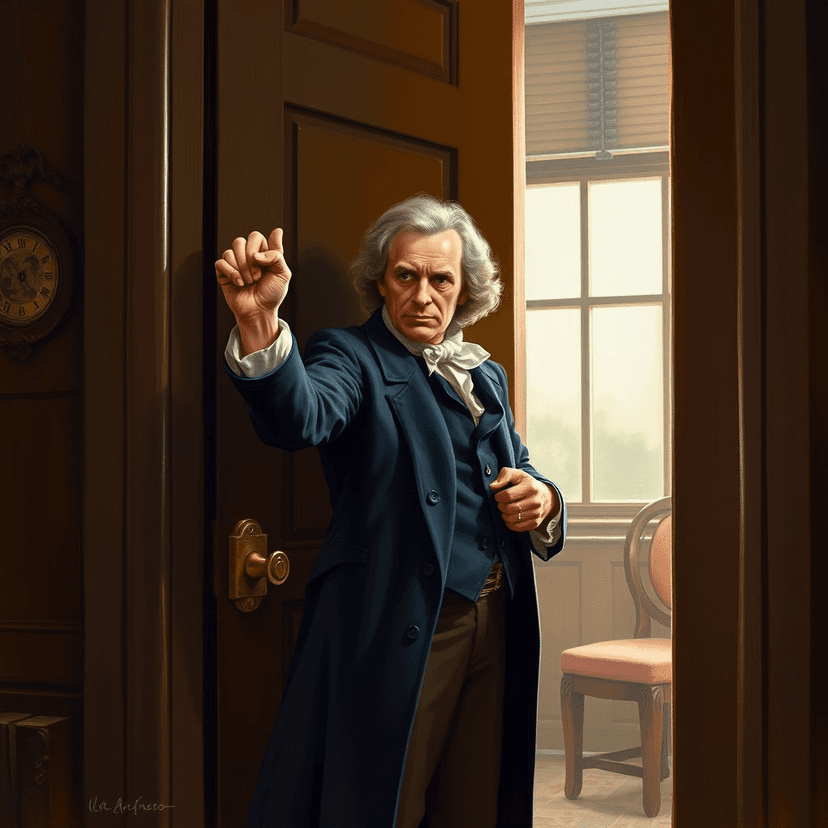
Samuel Adams, locking the door of the meeting room, his expression resolute, conveying the gravity of the situation.

As the meeting commenced, Adams, taking charge, locked the door, securing their clandestine assembly.
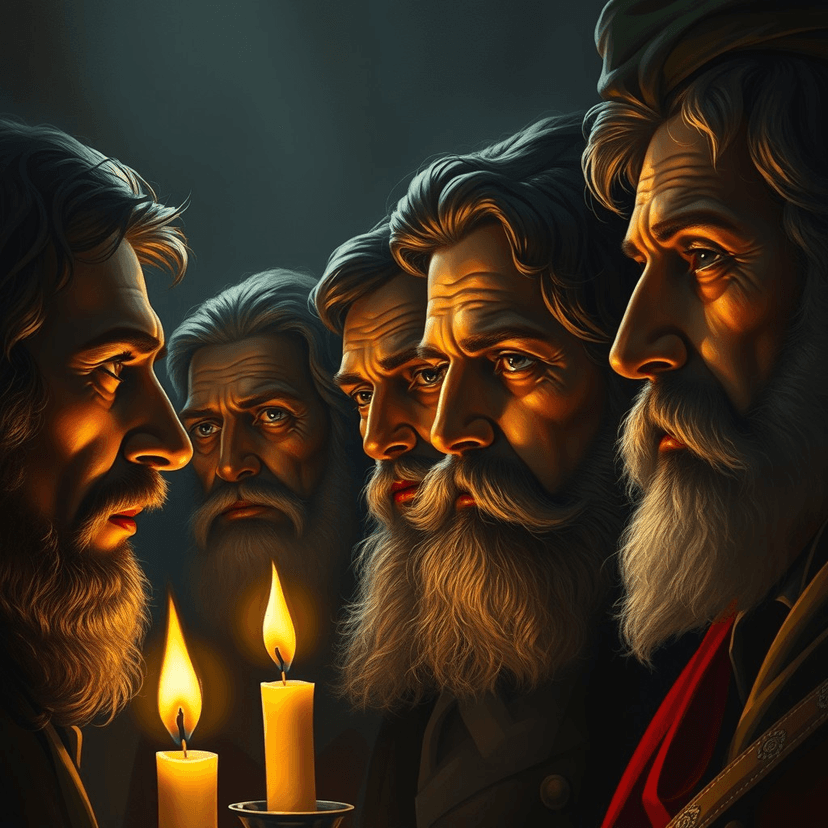
The faces of the revolutionaries, lit by candlelight, reflecting their unwavering determination to form a Congress.

He declared the absolute necessity of a unified Congress of the Colonies, a decision from which there was no turning back.

A wide shot of the locked room, filled with determined faces, all eyes fixed on Adams, waiting for his next words.

The fate of the colonies, the future of a nation, hung in the balance within that locked room.

Adams and Hancock: Defiance in the Face of Tyranny

You have reached the end of this episode. For the full experience, download the app.